

The Complete Guide to DCIM Software & Infrastructure Management
Mastering Efficiency: How to Choose and Implement the Right DCIM Software for Modern Infrastructure
Data Centre Infrastructure Management (DCIM) software has become the backbone of modern data centre operations.
Modern data centres are rapidly evolving into increasingly complex, distributed, and power-intensive ecosystems. Consequently, relying on outdated methods like spreadsheets, siloed monitoring tools, or manual processes to manage critical infrastructure is no longer sustainable. This fragmented approach creates significant blind spots, hindering efficiency and escalating operational risks.
Enter Data Centre Infrastructure Management (DCIM). DCIM software stands as a foundational technology, transforming how organisations oversee their digital core. It isn’t just a collection of tools; rather, it’s a holistic platform that seamlessly integrates real-time visibility, precise asset intelligence, proactive capacity planning, access control and comprehensive environmental monitoring. The result is a single, unified operational view of your entire data centre.

This in-depth guide will thoroughly explore what DCIM software is, illuminate its critical importance in today’s digital landscape. Detail its operational mechanics and provide practical advice on selecting and implementing the optimal solution. Ultimately, mastering DCIM equips you to significantly optimise performance, mitigate operational risks, and effectively control costs across your infrastructure.
In this article we will cover:
What is Data Centre Infrastructure Management (DCIM)?
Modern data centres are becoming increasingly complex and resource intensive. Consequently, achieving peak performance and efficiency is no longer just an aspiration; it is an absolute imperative. This pressing need gives rise to Data Centre Infrastructure Management (DCIM), a critical category of software solutions designed to revolutionise how these vital digital hubs are overseen.
Essentially, DCIM represents the powerful union of Information Technology (IT) and facility management disciplines. It provides a unique, unified perspective on a data centre’s entire operational landscape, meticulously integrating data from both spheres. DCIM software actively manages critical resources. It optimises energy consumption, physical equipment, and floor space. Consequently, this approach maximises efficiency and availability while boosting your return on investment.
Traditionally, data centre management often suffered from fragmented approaches. IT teams would independently focus on digital assets like servers, storage arrays, and network devices. Whilst facilities teams separately managed crucial physical infrastructure such as cooling systems, power distribution units, and environmental controls. This siloed management frequently led to inefficiencies, communication breakdowns, and significant missed opportunities for resource optimisation. DCIM, however, fundamentally reshapes this setup. It acts as the essential bridge, continuously monitoring, measuring, and managing every aspect of the data centre’s physical and logical infrastructure. Ultimately, its overarching goal is crystal clear: to maximise system uptime and reliability. Whilst simultaneously driving down operational costs and extending the lifespan of infrastructure.
DCIM achieves these ambitious objectives by focusing on three interconnected pillars:
1. Comprehensive Monitoring and Real-Time Visibility
The foundational pillar of DCIM is its robust monitoring capability. Imagine a sophisticated central nervous system for your data centre, tirelessly collecting real-time data from an array of critical components. The system gathers granular power metrics from intelligent PDUs and performance data from UPS units. It also tracks rack security via access control systems. Finally, it monitors vital environmental readings from sensors placed strategically for temperature, humidity, and airflow. Furthermore, it gathers data from CRAC/CRAH units, security systems, and more. Operators receive a real-time snapshot of their infrastructure’s health. This allows them to identify problems early and react quickly to security risks.
2. Strategic Management and Operational Control
This wealth of meticulously monitored data builds the foundation for the second pillar: strategic management. Consequently, administrators gain unparalleled control and foresight. DCIM software solutions facilitate precise asset tracking and inventory management. Offering a complete and dynamic record of every piece of equipment – detailing its location, power consumption, network connectivity, and even associated maintenance schedules. Moreover, they streamline complex change management processes, allowing for detailed planning and risk assessment of infrastructure modifications before execution. Crucially, DCIM enables refined capacity planning. Offering insights into available rack space, power capacity, cooling reserves, and network ports. This foresight is invaluable, allowing organisations to make informed, data-driven decisions about future growth, preventing costly over-provisioning or dangerously under-provisioned scenarios.
3. Intelligent Optimisation and Predictive Analytics
The third pillar of DCIM is intelligent optimisation, which drives true transformation. DCIM software collects extensive historical and real-time data, then uses advanced analytics to spot trends. It also predicts future needs and identifies major inefficiencies. For instance, it can expose “zombie servers” – machines drawing power and consuming cooling resources but performing no useful work. Consequently, freeing up valuable capacity and reducing energy waste. Similarly, it identifies cooling inefficiencies, suggesting adjustments to airflow, temperature set points, or equipment placement that can dramatically reduce energy consumption. DCIM transforms raw data into actionable intelligence. It identifies current issues and guides future decisions. As a result, you can enhance energy efficiency, lower your carbon footprint, and significantly reduce operational costs.
Ultimately, DCIM is far more than just another software solution; it is an indispensable strategic imperative. To operate a data centre that is cost-effective, resilient, and sustainable, you need clarity and control. DCIM provides exactly that. It helps you navigate complexity and achieve enduring success.

Why DCIM is Critical in the Modern Data Centre
The data centre environment has changed completely. We can no longer use a “set it and forget it” approach; infrastructure now requires constant attention. Today’s facilities face a unique mix of pressures that demand sophisticated management. Consequently, Data Centre Infrastructure Management (DCIM) is no longer just beneficial—it is critical for success, resilience, and sustainability.
Density Challenges
Foremost among these challenges are extreme density requirements. The relentless use of Artificial Intelligence (AI), Machine Learning (ML), and High-Performance Computing (HPC) workloads requires packing more compute power into smaller footprints. This leads to high-density racks that generate vast amounts of heat. Operators who lack a robust DCIM solution are essentially flying blind. Consequently, they risk severe consequences. For instance, localised hotspots can degrade equipment performance and increase energy consumption due to inefficient cooling. Even worse, they may face major thermal events that cause costly downtime and hardware damage. In contrast, DCIM offers real-time oversight of power, environment, and assets. This visibility allows teams to fine-tune cooling efficiency and proactively address risks.
The Hybrid Cloud Reality
Modern enterprises are moving beyond on-site data centres. They now manage a complex mix of core facilities, edge computing sites, and colocation deployments. Managing this geographically dispersed environment is a huge task without a unified perspective. Consequently, teams often face inefficiencies, over-provisioning, and security vulnerabilities. DCIM software solves this by providing a true ‘single pane of glass’ view. This centralised visibility empowers organisations to track assets, monitor performance, and allocate resources effectively. Ultimately, it ensures operational coherence and responsiveness, regardless of physical location.
ESG and Sustainability
Finally, the rising importance of Environmental, Social, and Governance (ESG) mandates is changing how we evaluate data centres. Stakeholders now demand full transparency regarding carbon footprints and energy use. To meet these demands, you need precise, granular data. DCIM is essential here; it provides the metrics required for accurate Power Usage Effectiveness (PUE) reporting. By offering real-time insights into cooling and server usage, DCIM helps you achieve compliance. Furthermore, it drives continuous optimisation to lower both operational costs and environmental impact.
The Key Benefits of Implementing DCIM Software
Implementing a Data Centre Infrastructure Management (DCIM) solution changes how organisations handle their critical facilities. Furthermore, it connects different systems to deliver powerful, interconnected benefits.
Primarily, DCIM is instrumental in maximising operational reliability. By providing real-time alerts on critical issues like power anomalies or thermal spikes, it enables proactive intervention. This capability is crucial for preventing disruptive and expensive downtime, thereby ensuring continuous service availability.
Beyond enhancing uptime, DCIM drives significant financial efficiency. It delivers deep visibility into asset utilisation, enabling managers to identify underused or stranded capacity. Consequently, organisations can make data-driven decisions to optimise their existing infrastructure, effectively deferring or eliminating unnecessary capital expenditure (CapEx) on new hardware.
Furthermore, the rich analytics provided by DCIM are foundational to strategic capacity planning. With precise, real-time data on available space, power, and cooling at their fingertips, teams can plan for future growth with confidence. This intelligence ensures seamless scaling that is precisely aligned with demand, eliminating the risks and costs associated with wasteful over-provisioning.
Finally, DCIM simplifies complex regulatory requirements. The platform actively collects vital performance data and generates audit-ready reports instantly. Consequently, it helps you meet energy and security standards while reducing manual work and human error.
In essence, DCIM evolves the data centre from a cost centre into a strategic, efficient, and resilient asset for the entire organisation.
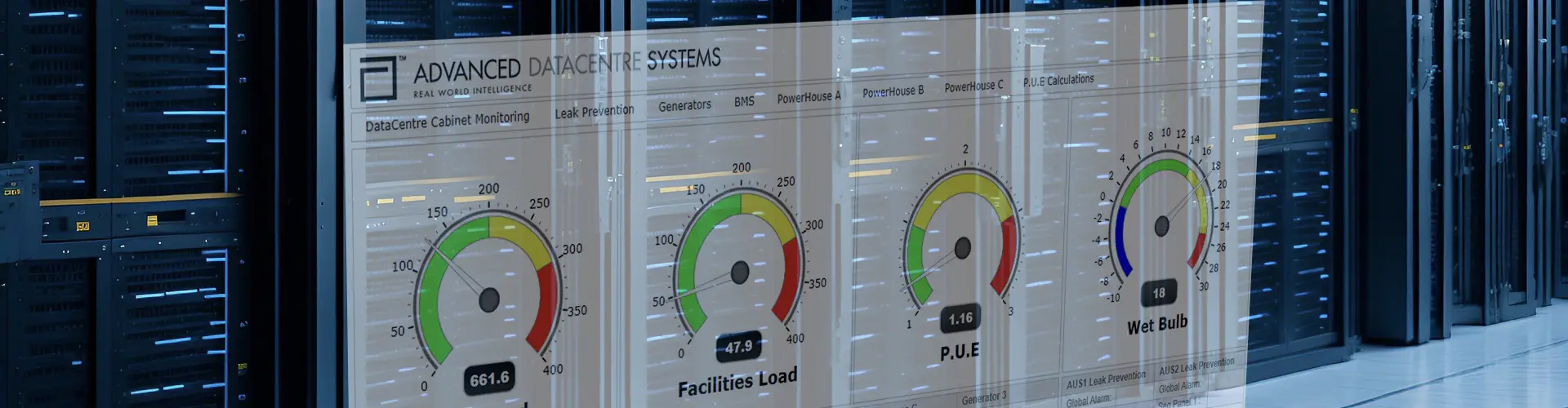
The Power of Vendor-Neutral DCIM: Why "Sensorium" Stands Out
Navigating the complexities of data centre infrastructure management often leads to a critical and costly challenge: vendor lock-in. Traditionally, many Data Centre Infrastructure Management (DCIM) solutions are developed by hardware manufacturers themselves. They often design these tools to prioritise seamless operation with their own branded equipment, such as specific UPS or PDU units. Consequently, they sacrifice broader compatibility.
In stark contrast to this restrictive model, Advanced Datacentre Systems’ Sensorium DCIM champions a vendor-agnostic philosophy. This foundational commitment to neutrality is not merely a feature; it is the core engine that drives superior operational freedom and strategic advantage. The benefits of this approach are multifaceted:
- Seamless Universal Integration: Firstly, a vendor-neutral platform like Sensorium is built to communicate effortlessly with any piece of hardware in your ecosystem. Whether your facility is equipped with Schneider Electric racks, Vertiv cooling systems, or APC power distribution units, Sensorium consolidates control into a single, coherent interface.
- Inherent Future-Proofing: Secondly, this approach frees your procurement strategy. Break free from a single vendor’s roadmap and pricing. Instead, choose the best-in-class hardware for your specific needs and budget. Plus, rest easy knowing your DCIM will integrate it all effectively.
- A Unified Source of Truth: Furthermore, Sensorium eliminates the hassle of juggling different vendor applications. It aggregates critical metrics—from power and cooling to environmental data—into one intuitive dashboard. This provides a holistic, actionable view of your entire infrastructure.
Ultimately, the Sensorium advantage extends beyond simple compatibility. By harnessing high-granularity sensor data, the platform delivers unparalleled insight and precision. For instance, it doesn’t just alert you to a temperature rise in a hall; it pinpoints the exact rack that is above its threshold. This empowers your team to shift from reactive troubleshooting to precise facility management. As a result, you can optimise performance and mitigate risk with greater accuracy.
Conclusion
Data Centre Infrastructure Management (DCIM) has evolved from an optional tool into an essential system. It now acts as the central nervous system for complex enterprise data centre operations.
Instead of just reacting to problems, the industry standard has shifted toward a proactive approach. By using data-driven strategies, organisations can transform how they manage their digital infrastructure.
As a result, they build systems that are efficient, resilient, and ready for future demands. This strategic shift ensures that a company’s technology remains optimised for both performance and stability.